Written by Chi-Chi Egbo
Blog

Written by Chi-Chi Egbo
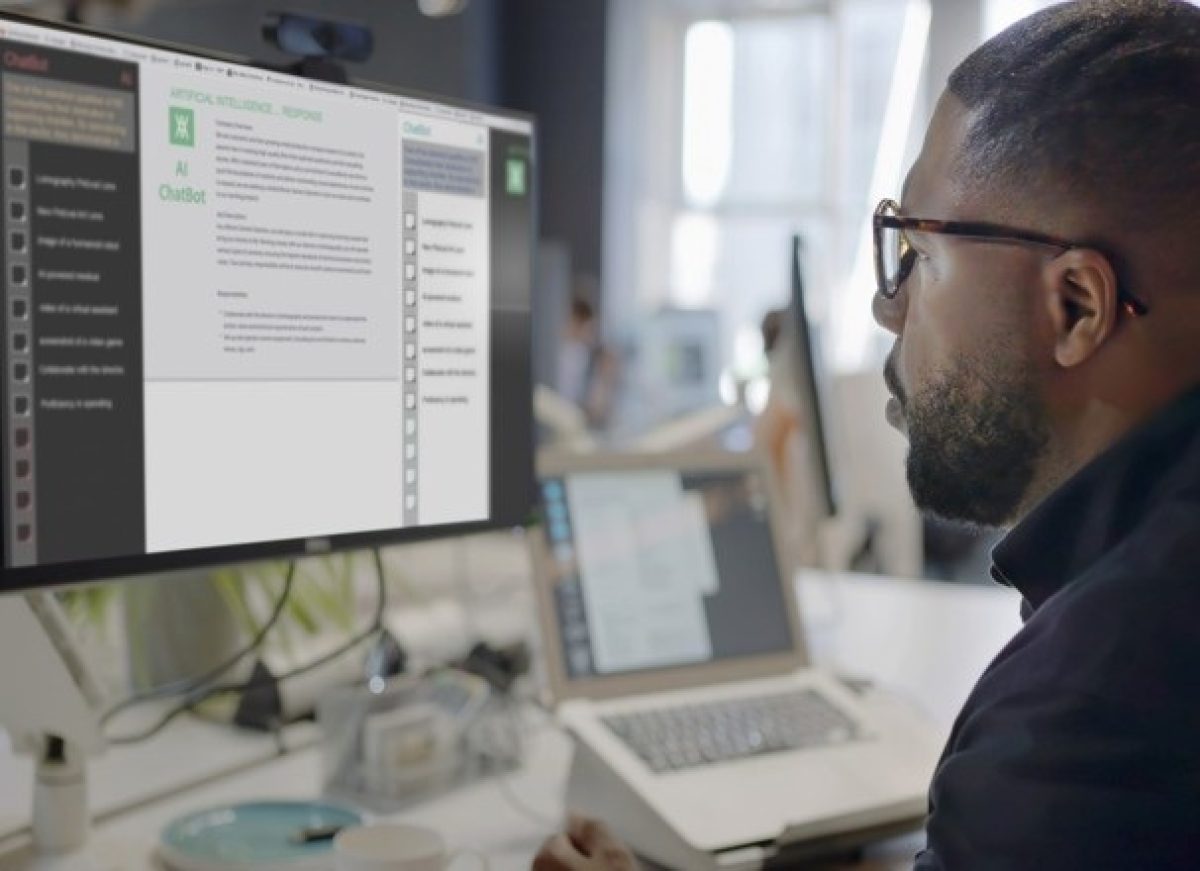
“Must be able to work in a fast-paced environment.”
This familiar line has stood the test of time on job descriptions. Being able to work in a fast-paced environment is an evergreen requirement and something you expect to see on almost every job ad. Many of us first developed this skill in our earliest roles: a fast-food restaurant, a busy department store, a high-volume office. This coveted skill followed us into our careers.
At one point, fast-paced used to mean being personally fast.
It meant managing your time well, solving problems quickly, staying organized, communicating clearly, and jumping in without hesitation. It was about keeping up as humanly as possible, using the right skills at the right time.
But in 2026, things are different.
The workplace is shifting. Pace is no longer driven primarily by human effort. The speed of automated systems and digital tools drives it. What used to be “must be able to work in a fast-paced environment” is becoming “must be able to work with automation.” It’s a subtle shift and a significant one.
Before I go further, let’s take a step back. When we say someone needs to “work in a fast-paced environment,” what are we really asking?
Increasingly, job descriptions are asking whether they can work effectively alongside automation. That’s a very different skill set from what employers originally had in mind.
When employers listed fast-paced as a requirement, they were looking for someone who could handle volume without falling behind or rather apart. Strong time management, clear communication, the ability to prioritize under pressure, and the initiative to drive outcomes without being told twice. Underneath all of it, employers wanted to know one thing: how much can this person handle on their own?
But as workplace automation increases, the question is shifting. It’s becoming less about how much you can personally handle and more about how well you can think, evaluate, and push boundaries.
The good news is that most of those skills are transferable. But working alongside automation asks more of them. Problem-solving expands into systems-level thinking. Communication now includes translating between technical and non-technical teams, and writing a strong prompt is the new golden skill. Organization becomes designing cohesive processes. Adaptability means adjusting not just when priorities change, but when new tools become available overnight.
And then there are the skills that weren't really emphasized in job descriptions or even on the original list at all. Deep critical thinking, strong analytical rigour, AI and digital literacy, and the ability to evaluate outputs rather than just produce them are now highly desired.
Strangely, when you use these skills successfully, you end up strategically doing less in order to produce more. That's the goal. But for many professionals, that feels uncomfortable because productivity has long been tied to volume. I believe the confusion and discomfort are worth paying attention to because they're usually signs that something big is changing.
When automation reduces hands-on execution, it triggers questions about job stability and career growth, and rightfully so. Next thing you know, you’re deep into think pieces about AI and your fears about what the future holds start bubbling to the surface. I hope this blog doesn’t do that to you. Instead, I want it to guide you through the noise. That's my goal.
In the world of AI, career progression will depend less on how much work you can take on and more on your judgment and your ability to manage execution strategically.
Growth will come from developing capabilities that lead you to build a working understanding of how systems function and how data flows through them, asking better diagnostic questions, and knowing how to interpret what quality AI-generated outputs reveal. It also means being comfortable bridging knowledge gaps through collaborating across technical and non-technical teams.
I know. It sounds technical. But I want you to take a sigh of relief, as this doesn’t mean everyone needs to become a developer or data scientist. However, digital literacy and AI fluency are no longer niche skills. They’re now foundational and underpin work structures and team design.
Keep in mind that the professionals who grow fastest will be the ones who stay curious about new tools, experiment responsibly, reflect honestly on how their workflows could improve, and invest in both their technical and human capabilities. Yes, human capabilities too. Because, despite the overwhelming integration of AI, “human” is not leaving job descriptions.
If employers move from valuing “fast-paced” employees to valuing those who can work effectively with automation, they cannot afford to overlook the human capabilities that empower thinking, collaboration, and trust. Here’s a list of 10 skills I believe are essential to long-term employability and effective and ethical use of AI.
1. Empathy
Taking the time to truly understand where others are coming from by being open to their perspectives, emotions, and ways of working and responding with care and respect.
2. Foresight
Looking ahead with intention, spotting trends and potential challenges early so you’re prepared rather than caught off guard.
3. Relatability
Building connection through authenticity by finding common ground and showing enough of your human side to create trust.
4. Relationship Building
Investing consistently in strong, trust-based connections that make collaboration smoother and outcomes stronger.
5. Emotional Intelligence
Being aware of your own emotions, attuned to others’, and using that awareness to communicate and make thoughtful decisions.
6. Creativity
Approaching challenges with fresh thinking, connecting ideas in new ways, and finding solutions that are both practical and innovative.
7. Leadership
Bringing people together around a shared goal and creating the clarity and motivation needed to move forward.
8. Persuasion
Influencing others through clear thinking, empathy, and alignment, and not pressure.
9. Confidence & Self-Assurance
Trusting your abilities and judgment, especially when navigating uncertainty, making tough calls and using your voice.
10. Storytelling
Communicating ideas through clear, compelling narratives that create understanding, connection, and shared meaning.
With automation skills in one hand and human capabilities in the other, the most resilient professionals in today’s workplace aren’t necessarily the busiest.
They’re the ones who ask better questions to design smarter systems, while simultaneously learning new tools quickly. They work across functions and let their imagination take them where it will. Lastly, they build authentic relationships because buy-in and collaboration rely on it.
Whether you’re in a technical or non-technical one, growth today isn’t about moving faster. It’s about thinking better.
I have a question for employers.
If “fast-paced environment” no longer means what it used to, what are you actually hiring for?
Are you still screening for volume and speed? Or are you intentionally hiring for judgment, systems thinking, and the ability to work alongside automation?
Are you investing in digital fluency while also protecting and developing human capabilities? Or are you assuming one will naturally follow the other?
Automation can accelerate output. But it can’t replace discernment, empathy, creativity, or leadership. So perhaps the real question isn’t whether candidates can keep up. It’s whether your organization is clearly defining what “keeping up” means now and whether your hiring practices, employee development, and culture reflect that shift.
Because the future of work shouldn't be defined by speed alone. It has to be thoughtful, too.